Grovenor Six
A missing middle approach to a residential infill in Grovenor, Edmonton. The project encompasses six units with a variety of scale and functionality focusing on live-work lifestyles for young professionals.
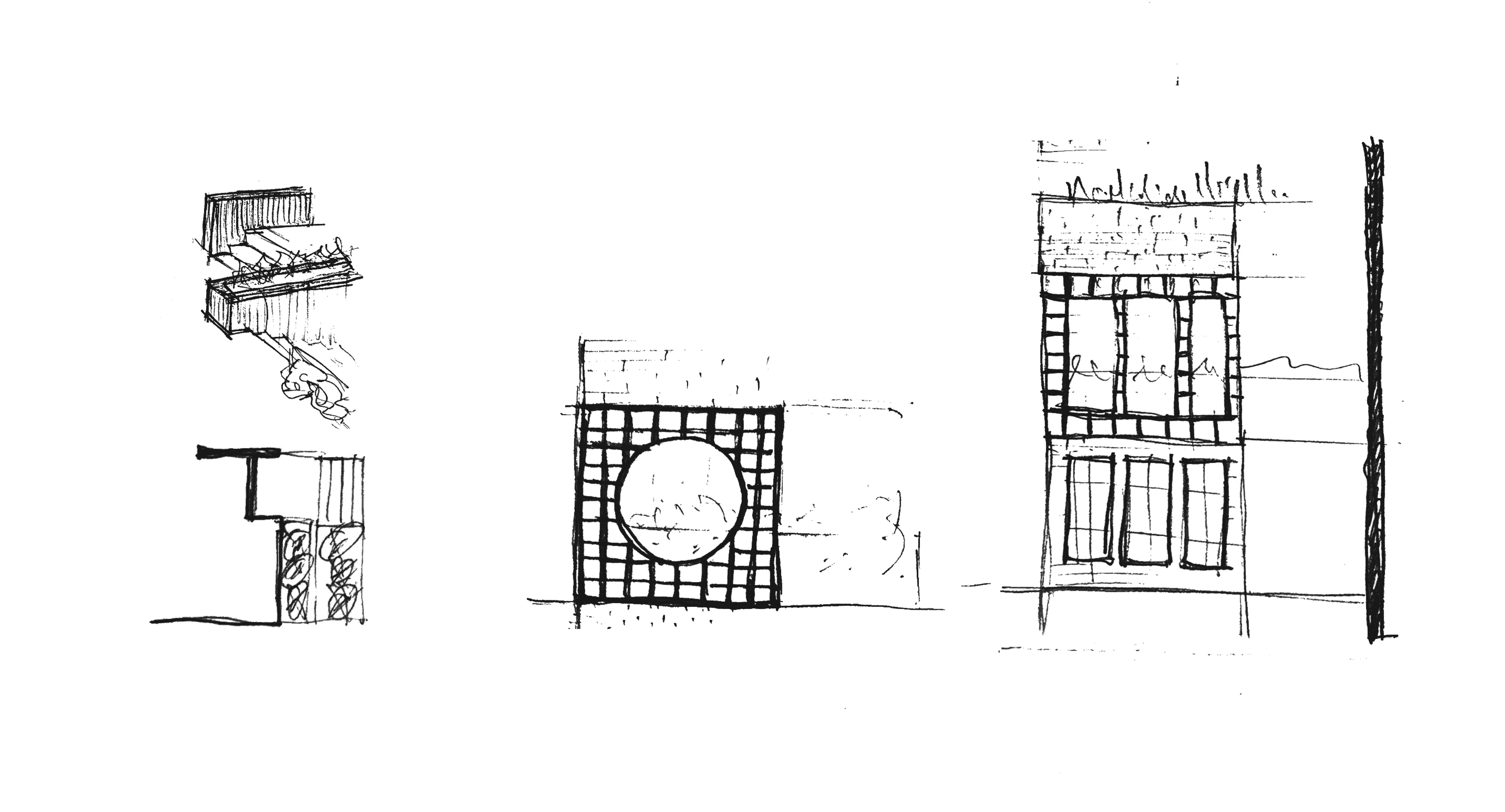
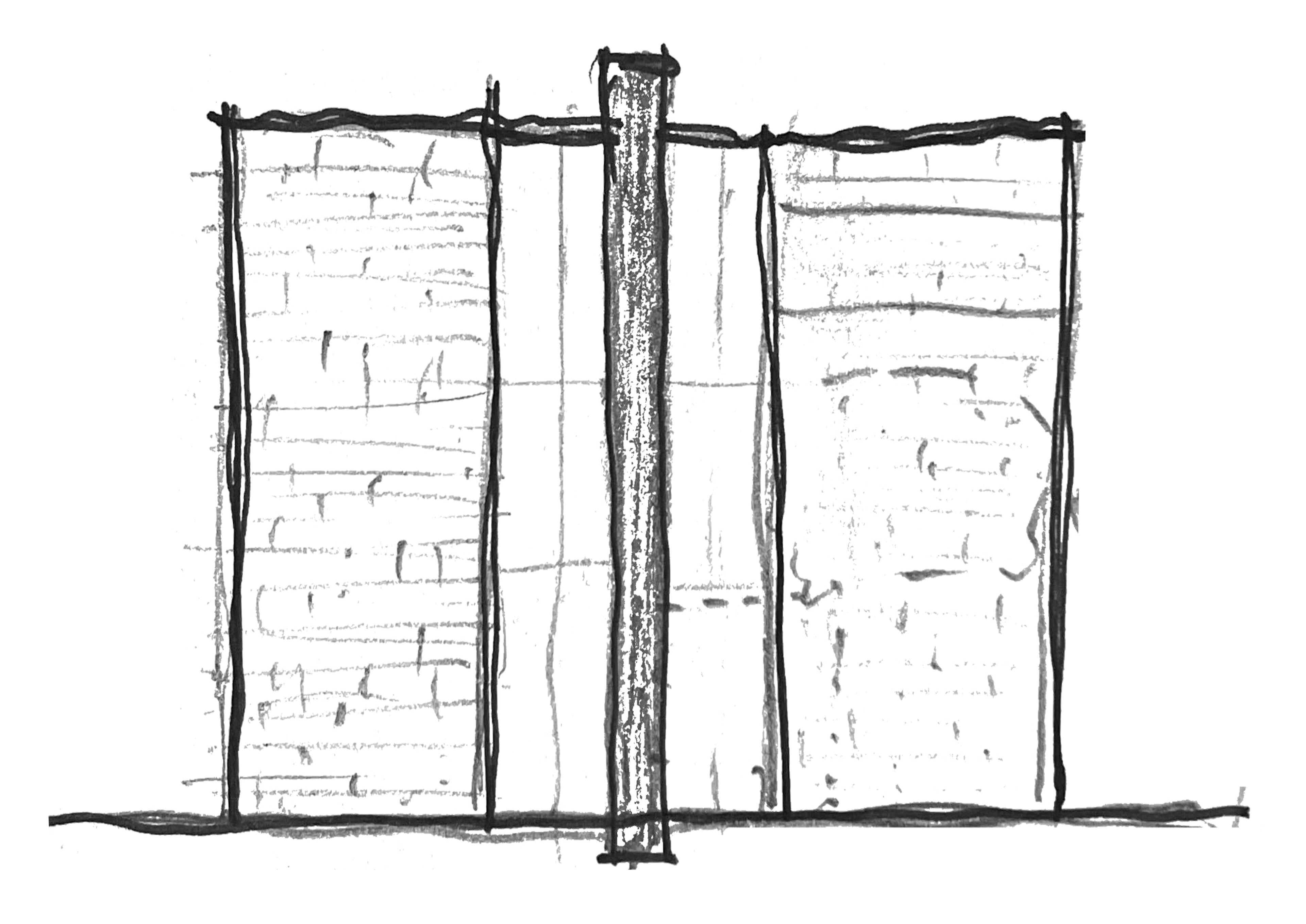
Grovenor Six is a multifamily infill development in Grovenor, Edmonton, a mature neighbourhood with a diverse mix of single and multifamily character homes. The building is comprised of two primary residences, two secondary basement suites and two garden suites. Grovenor Six was notably one of the first projects holo-blok delivered under the new Edmonton Zoning Bylaw.
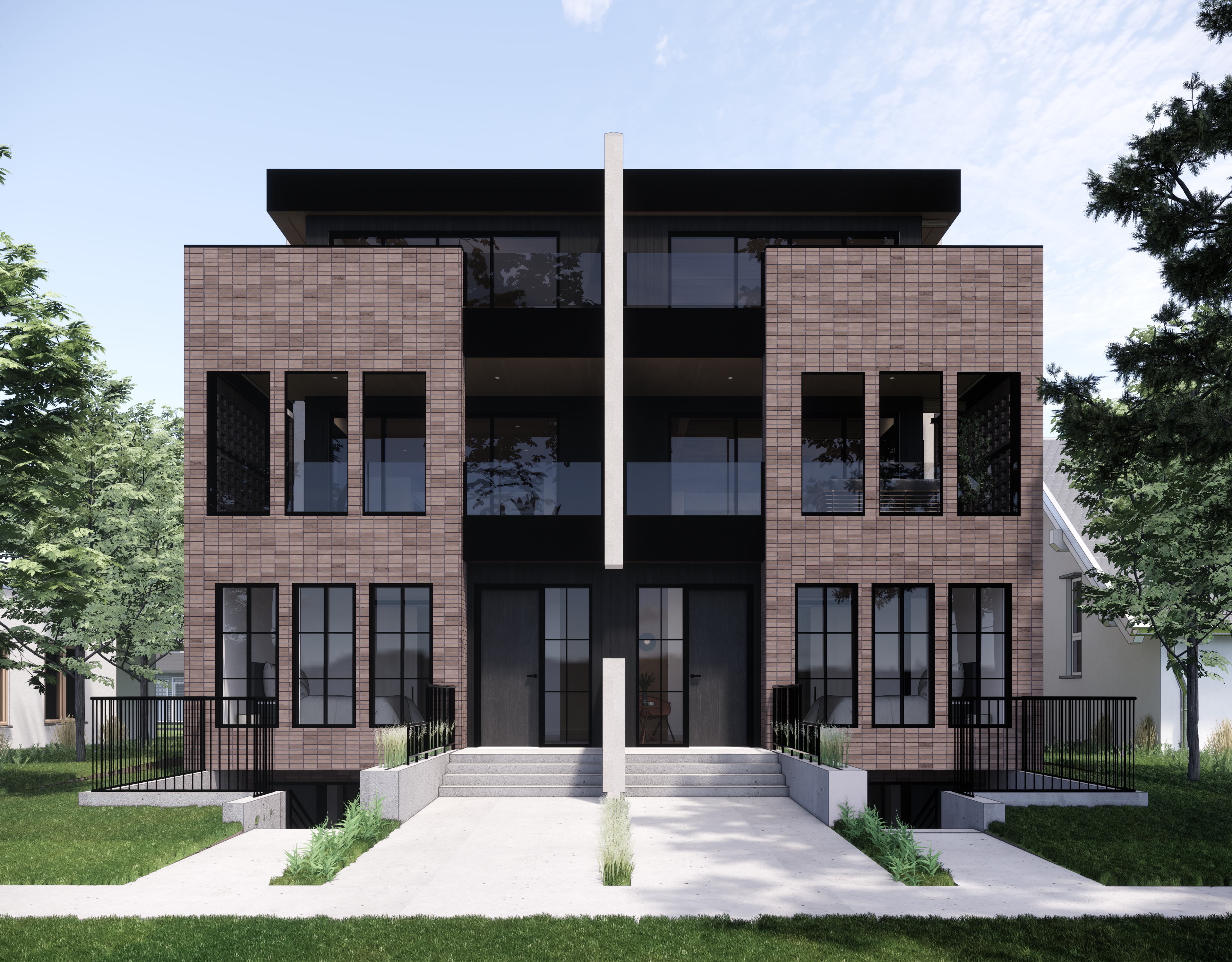
The client’s vision for the project was to draw on themes of traditional New York City Brownstone row housing models and implement them in Edmonton through a missing middle approach, as live-work style units for young professionals. With this direction in mind, the striking brick masses feature stoop-style main entrances, generous secondary suite entrances and a playful exploration of transparency and privacy.
holo-blok was first retained to complete a feasibility study determining the development potential of the site. This allowed the client to evaluate their goal of creating space for the most residents, while also offering a diverse range of products.
While lot splitting is prevalent in the mature neighbourhood of Grovenor, the client expressed a desire to move away from the typical skinny home development and instead toward something more unconventional. As such, the lot split originally proposed for the site was eventually abandoned in favour of the wider site for the future Grovenor Six.

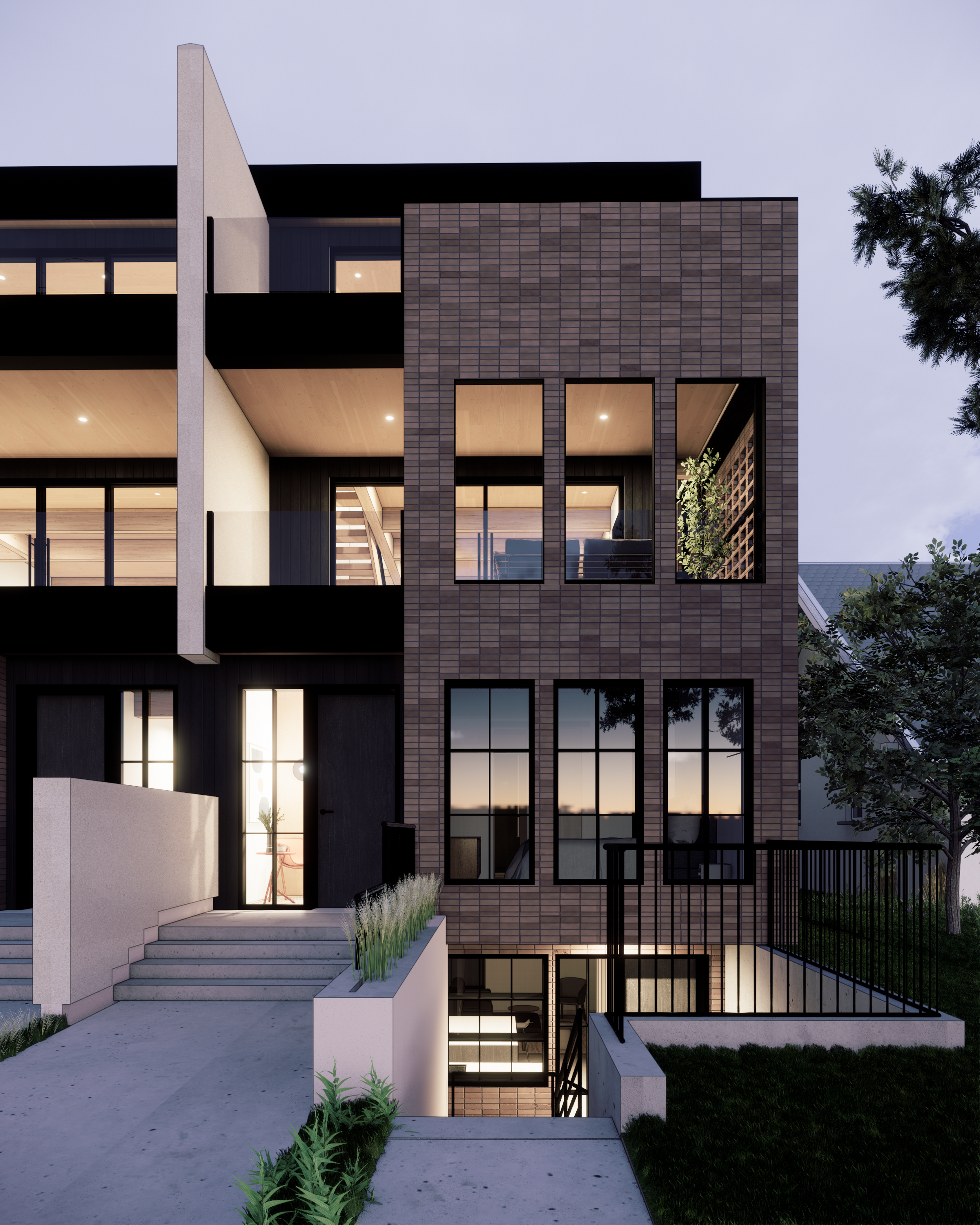
With the priority of catering to a young professional demographic, the development features six units: two three-storey primary suites with three “live-work” units in each, two basement suites with both front and back exterior access, and two secondary garden suites on top of a four-car garage, accessed by way of the adjacent lane.
Careful attention was given to site grading to optimize for each product, ensure the entrances to the secondary suites did not indeed feel secondary to the primary suites, allow for maximum light entry into the basement levels and provide generous amenity spaces.
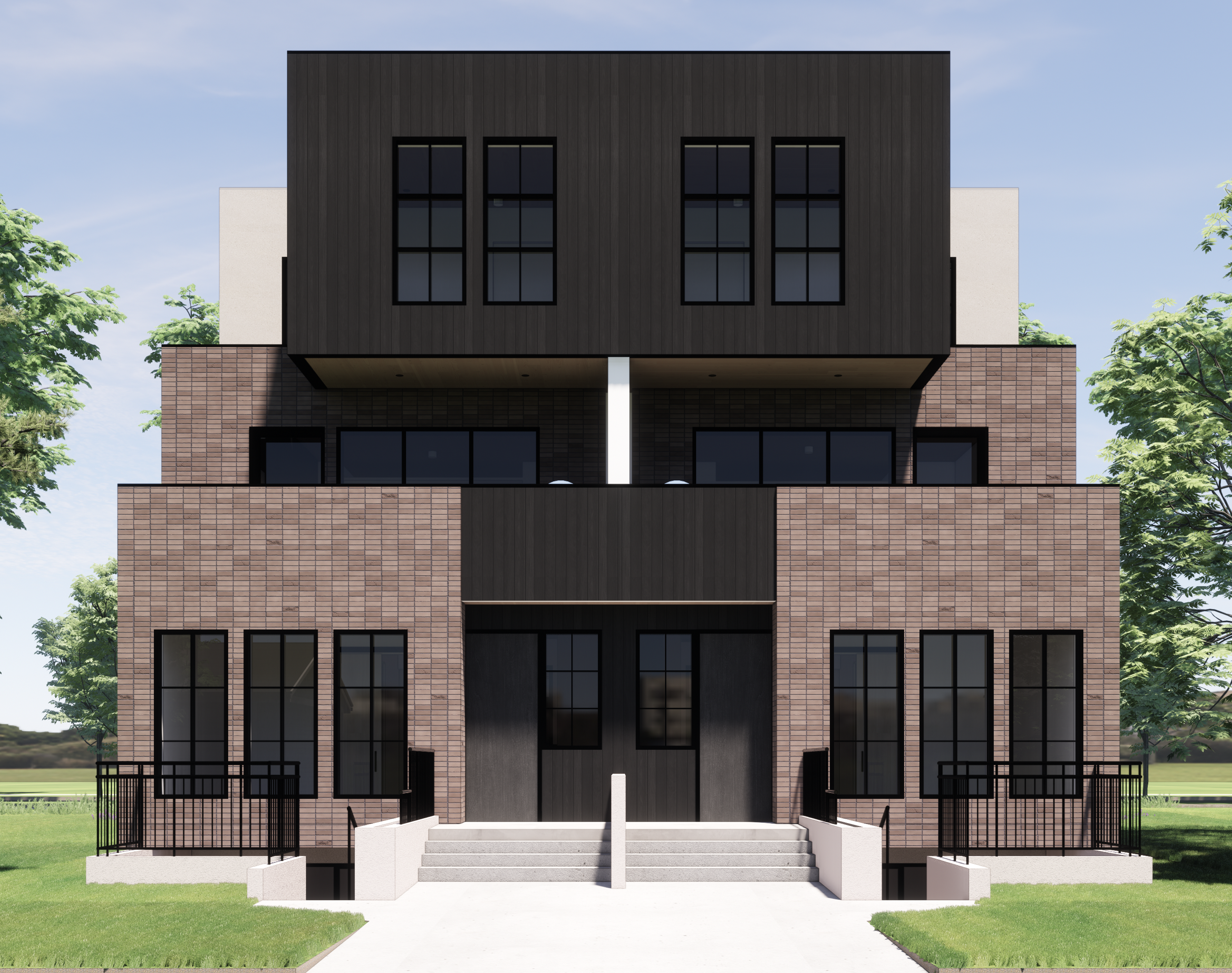
The hallmark of a Brownstone development is the use of a brown sandstone as the primary cladding material for a row house development. However, the term now extends to the use of any characteristically similar material in the cladding of similar types of developments.
This project utilizes full-size brick cladding, highlighted by the use of secondary black frames and masses. The primary suite entrances are stoop-style entrances, a nod to traditional New York City Brownstones, which allow light to penetrate to the basement spaces. This approach also grants the secondary suites private amenity areas directly outside their primary entrances, complete with outdoor storage areas.
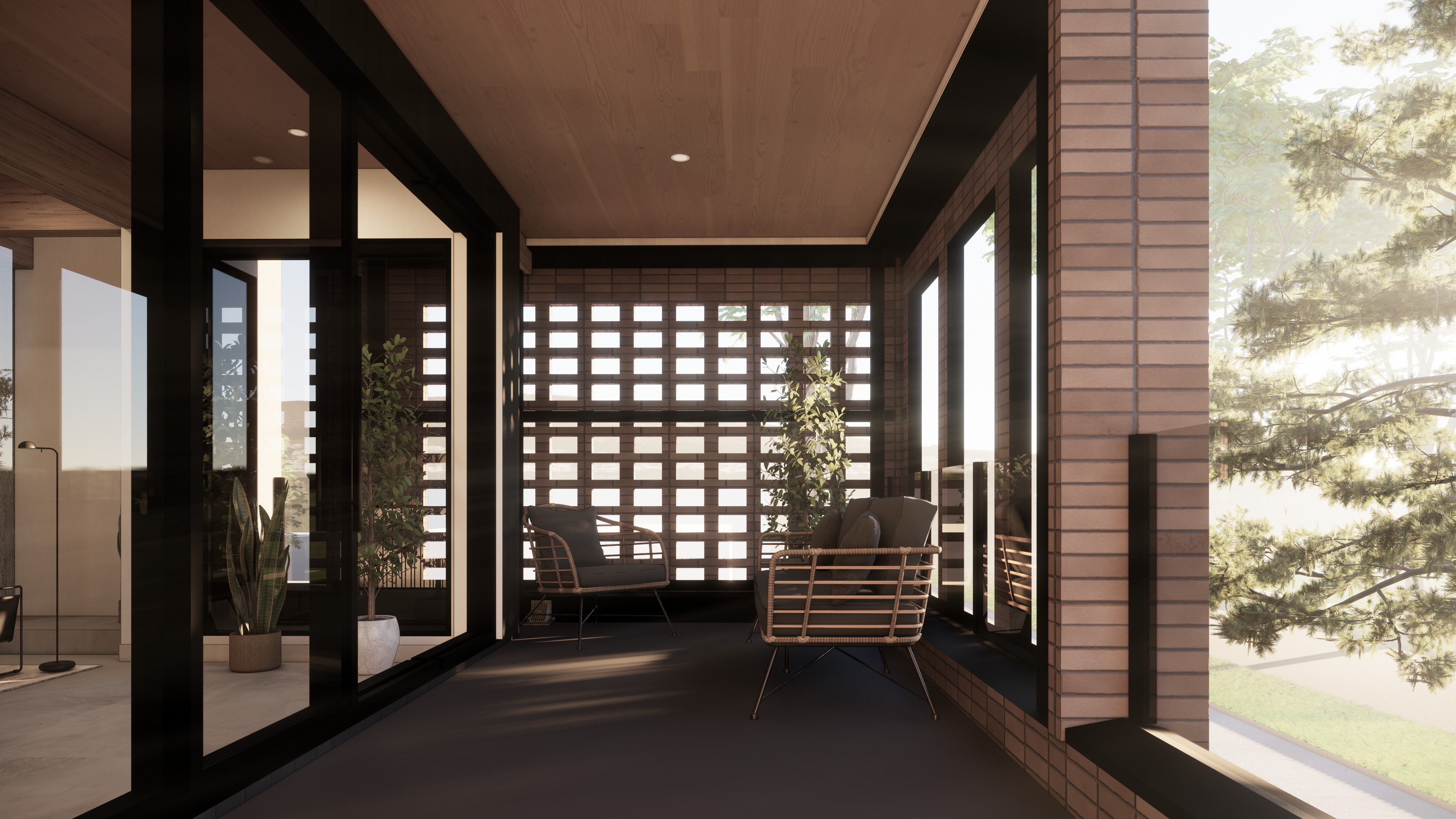
The Brownstone facades are then lifted from the second and third floors of the building to maintain the verticality of a traditional Brownstone and reduce the massing effect on the streetscape. A brick screen serves to both diffuse light coming from the side yards, as well as create privacy for the second-floor amenity spaces.
The fenestration strategy uses regular punched windows and openings on the brick facade, speaking again to the Brownstone influence. This is contrasted by large expanses of glazing behind the brick facade to blur the lines between the interior spaces and the exterior amenity spaces.
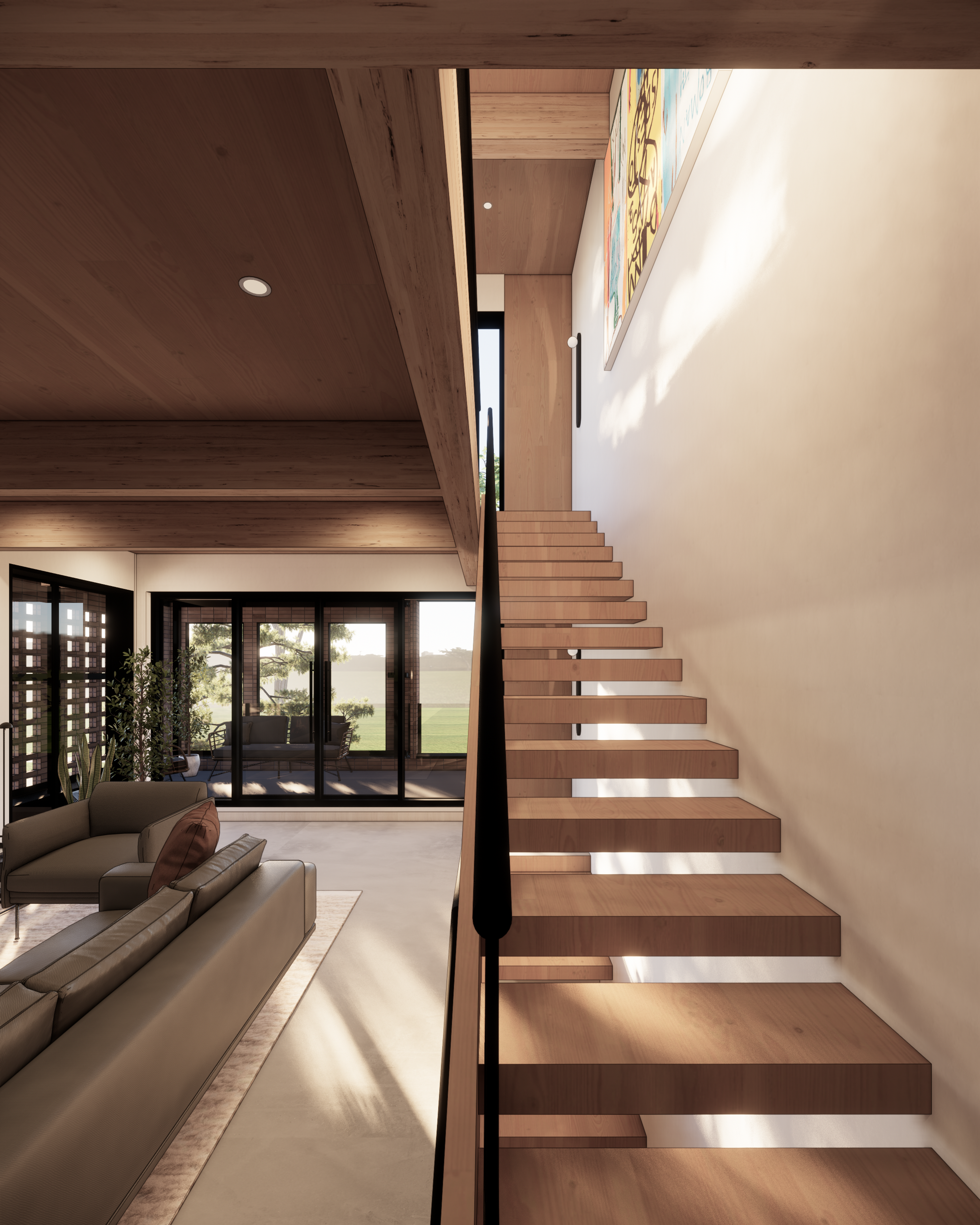
Finally, the design introduces wood features at soffit areas to speak to the mass timber structure of the roofs and floors. While wood is not used extensively in traditional Brownstones, it is often used as a feature material as was done here.
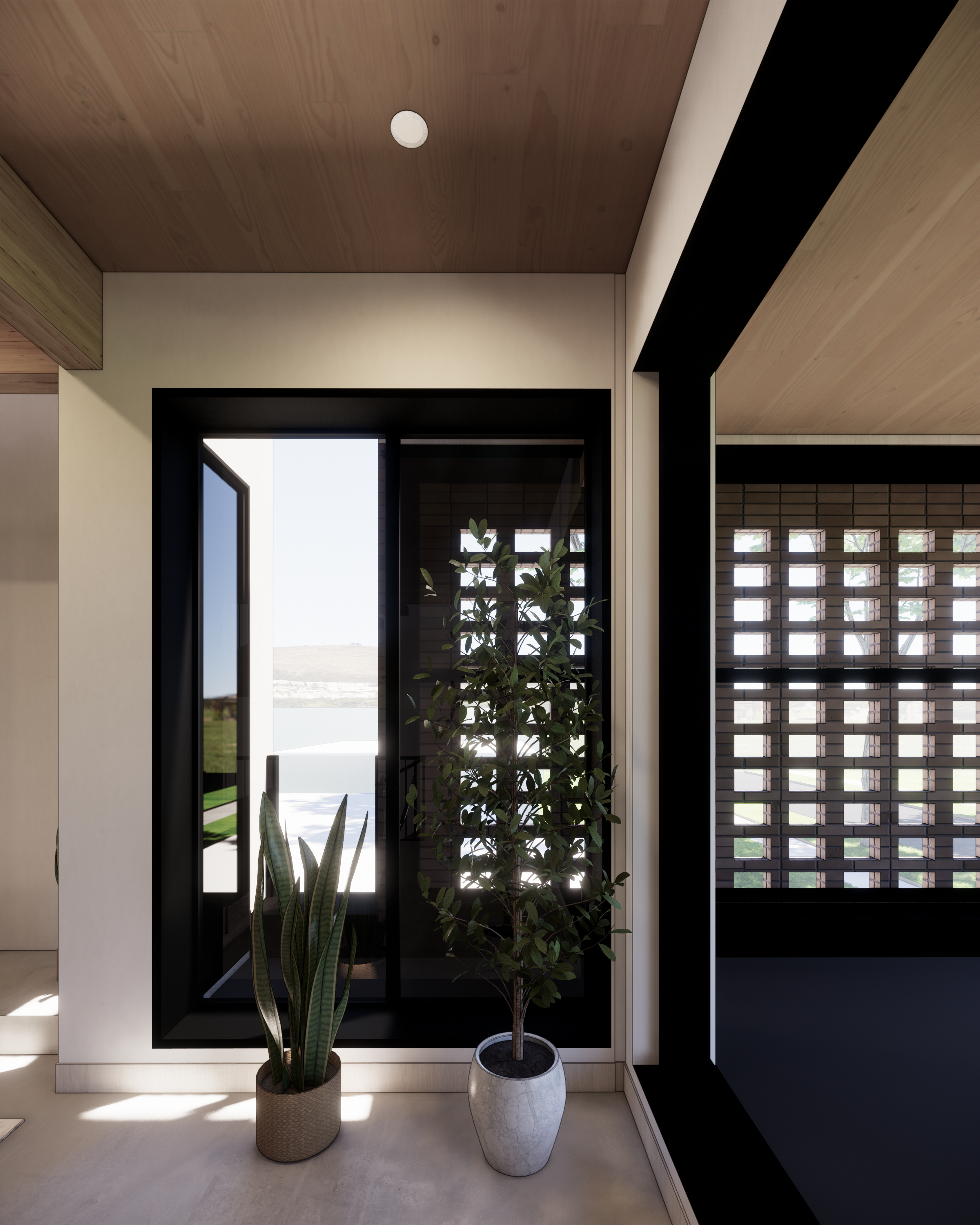
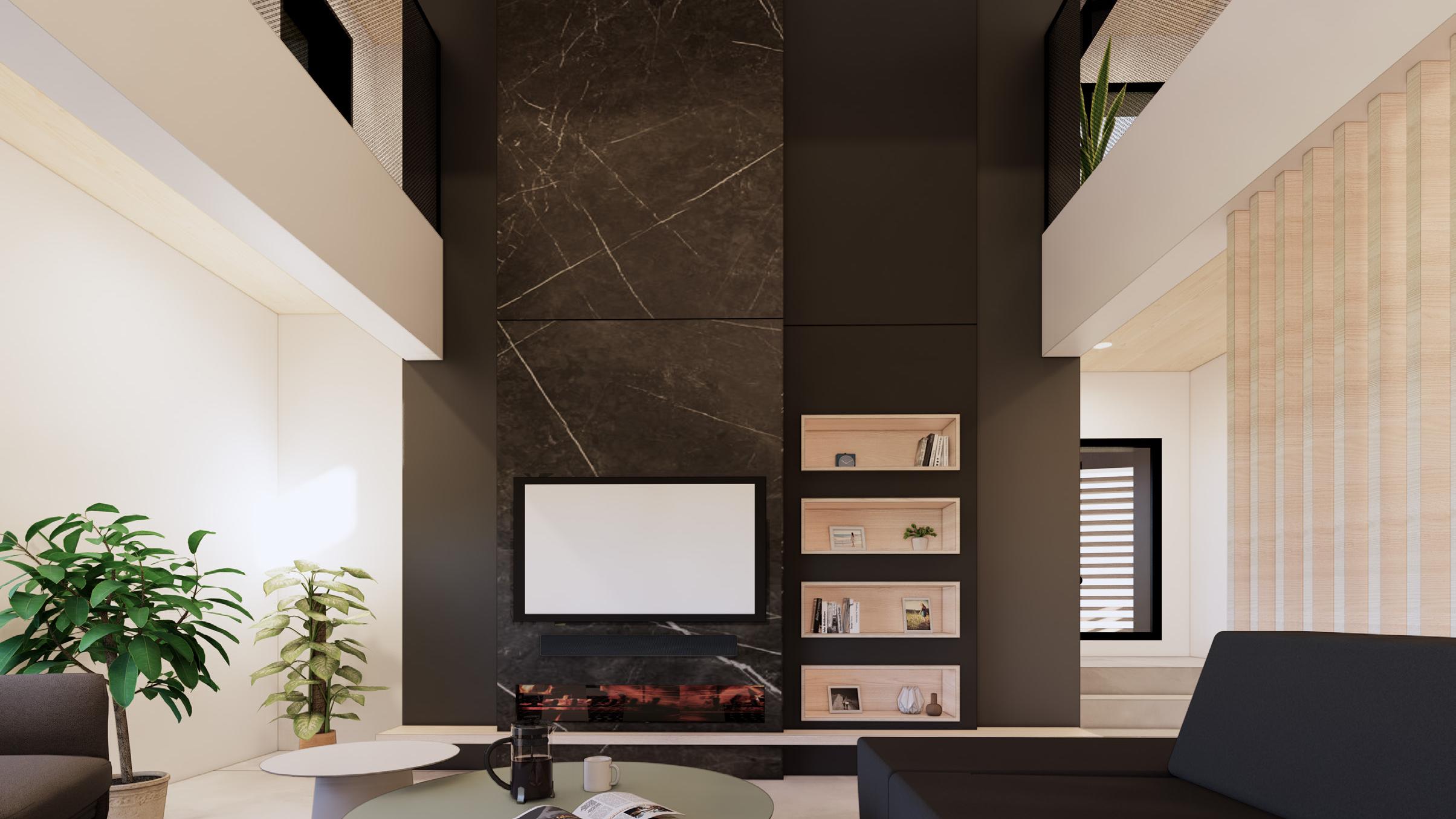
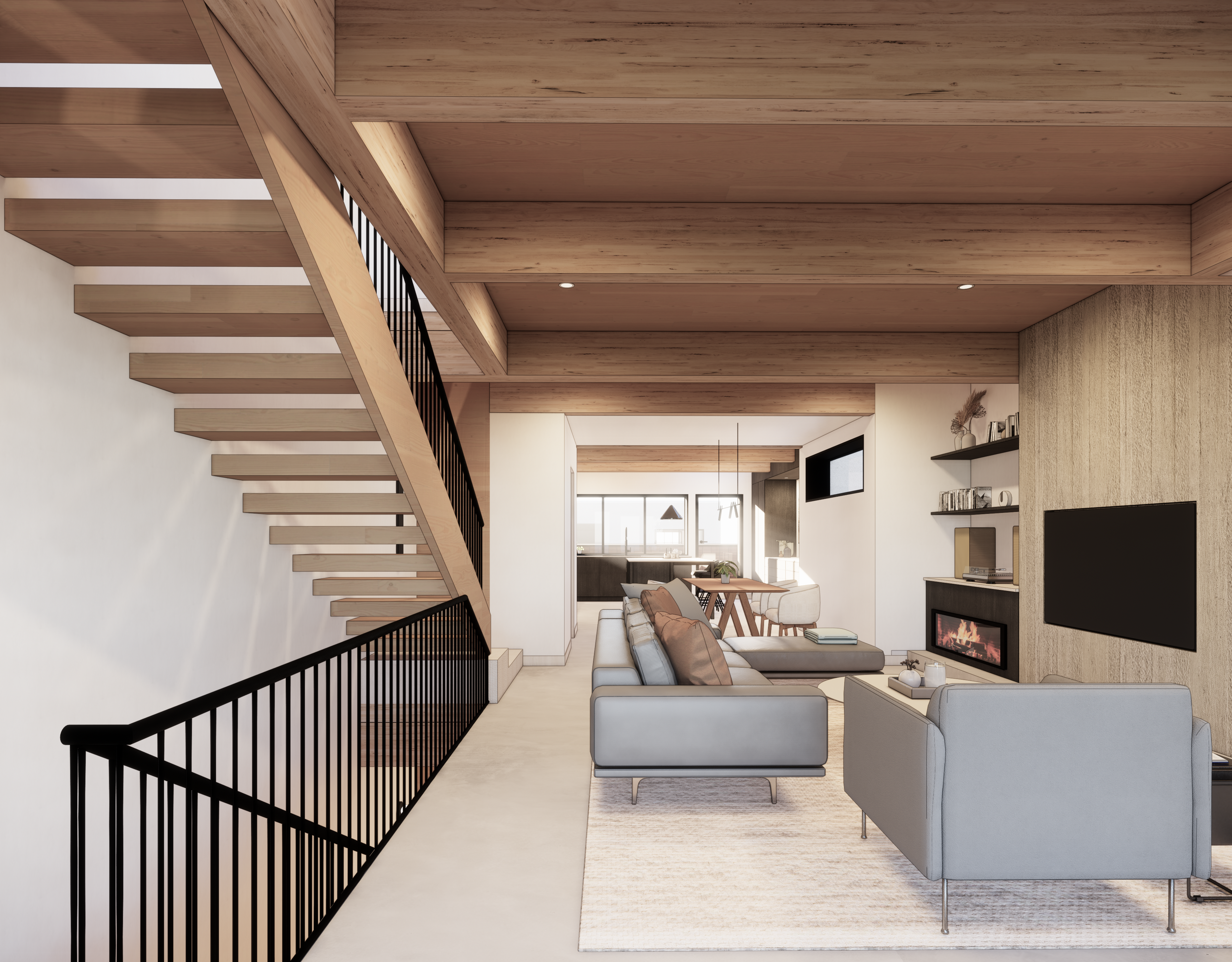
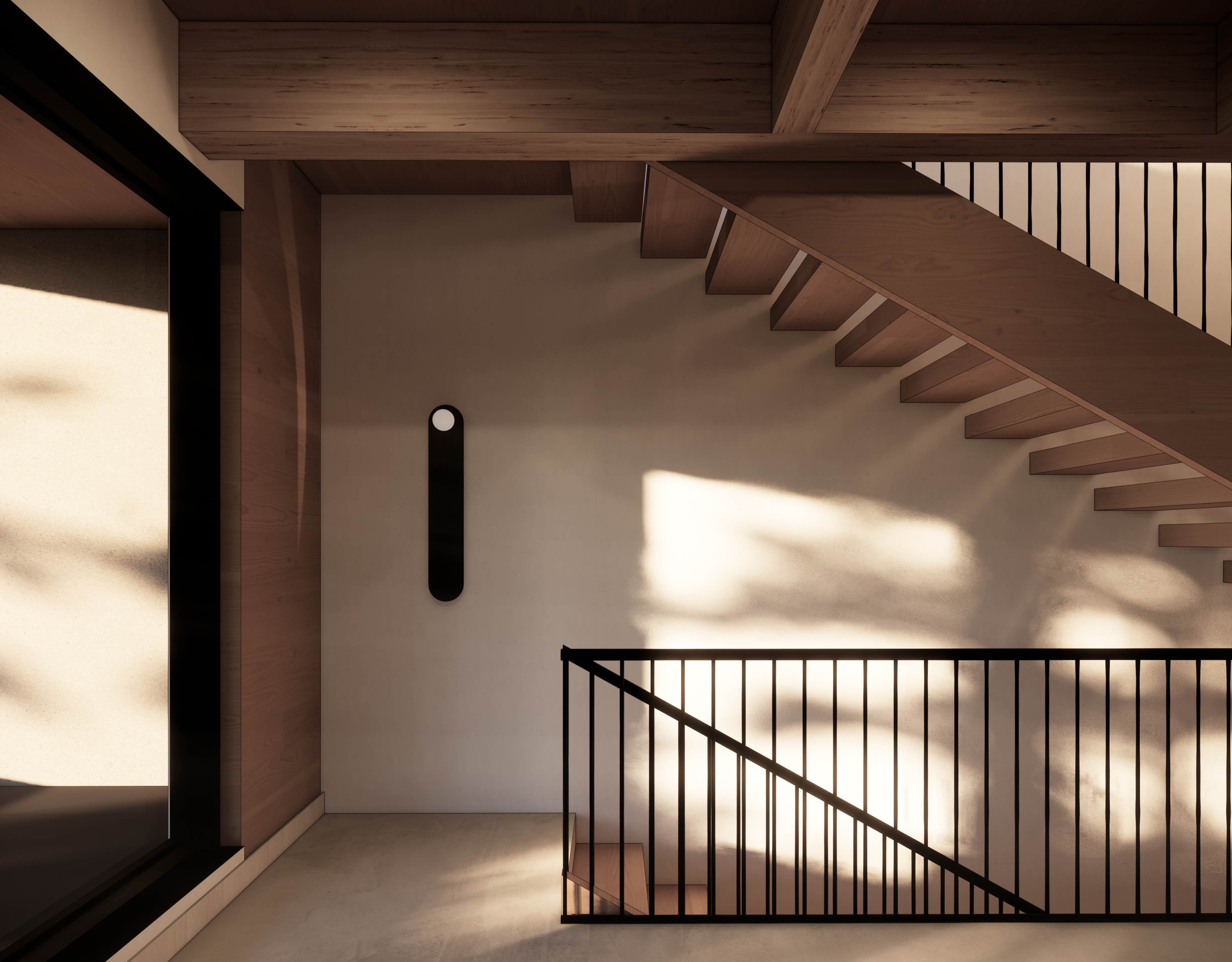
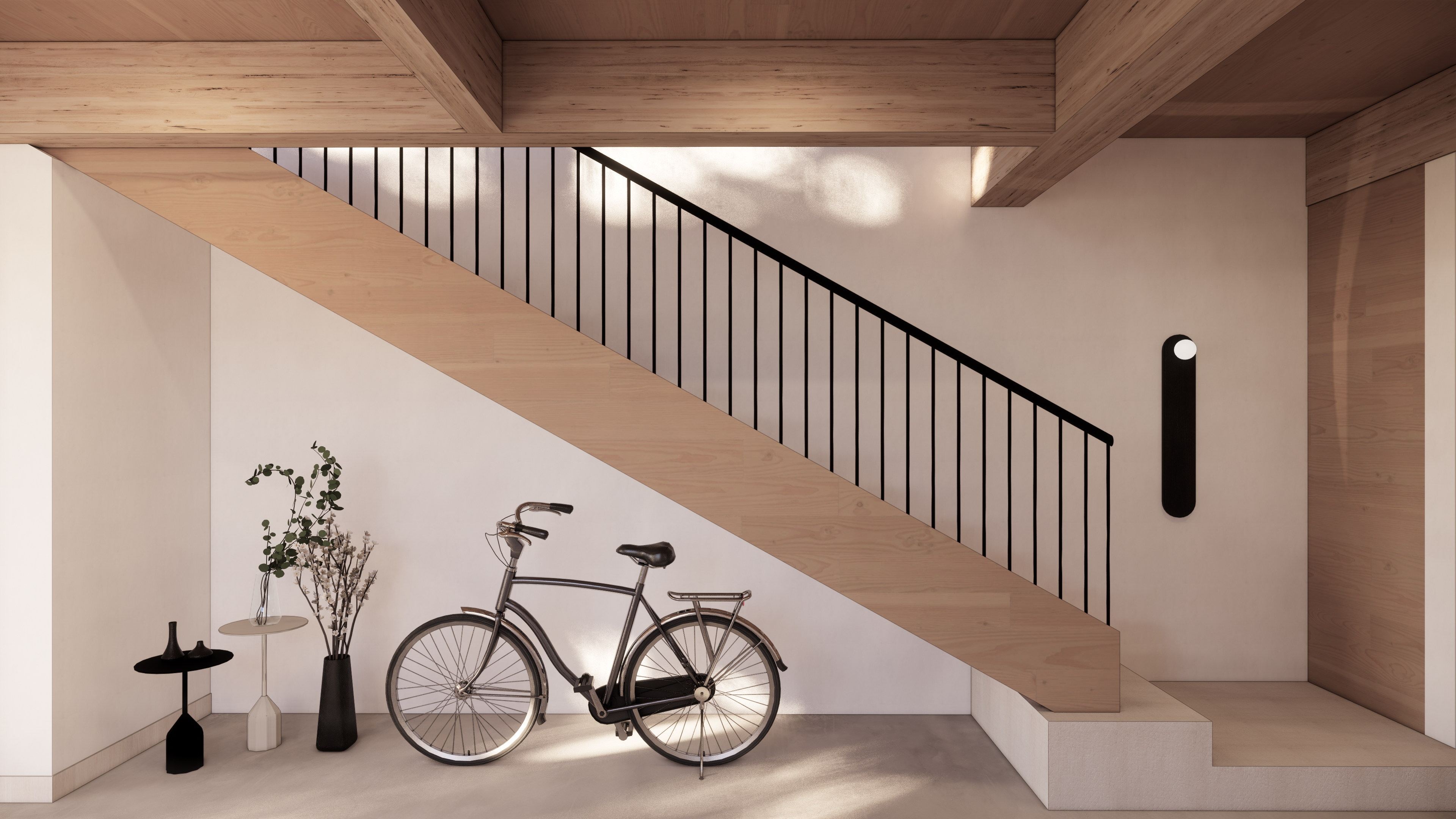
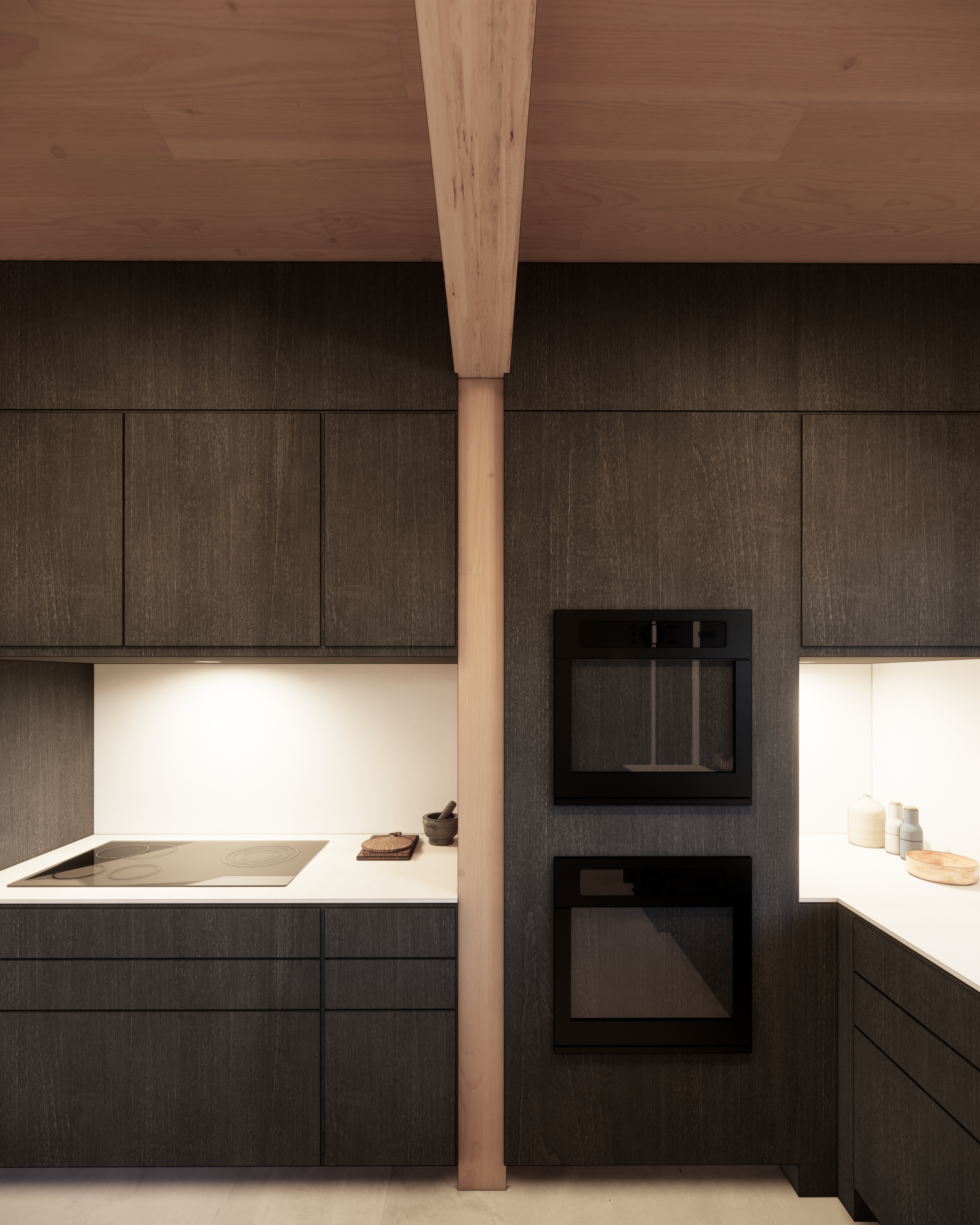
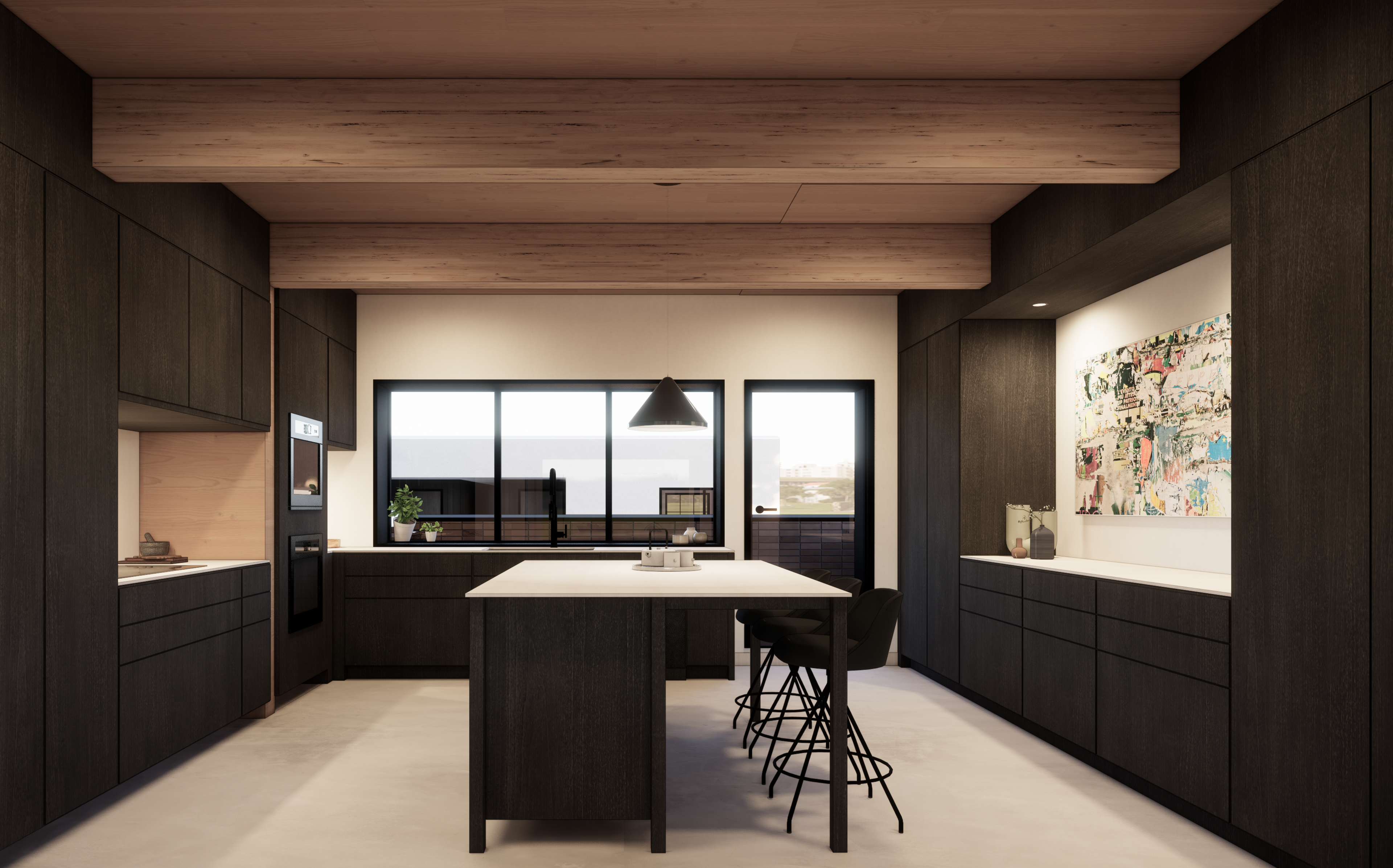
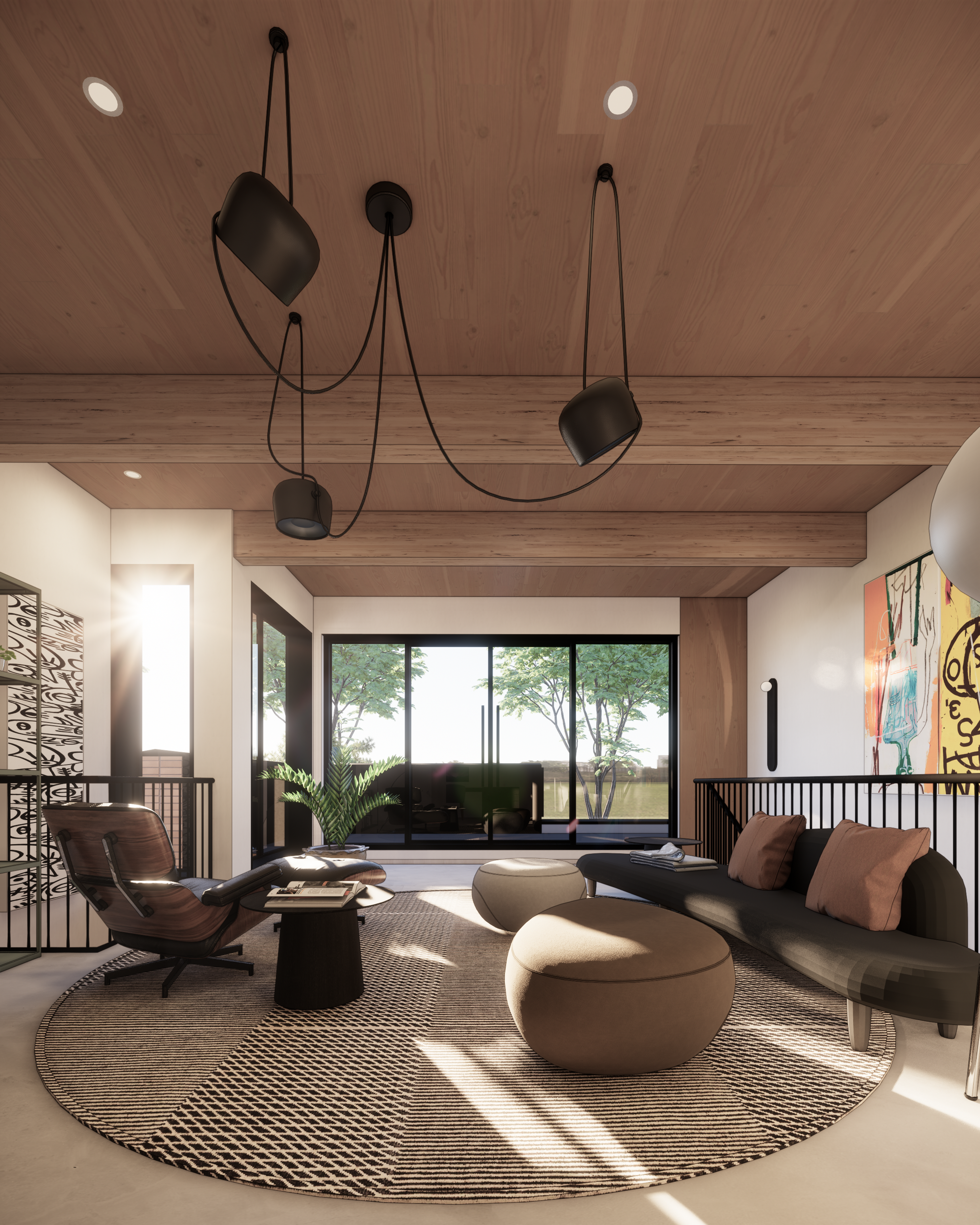
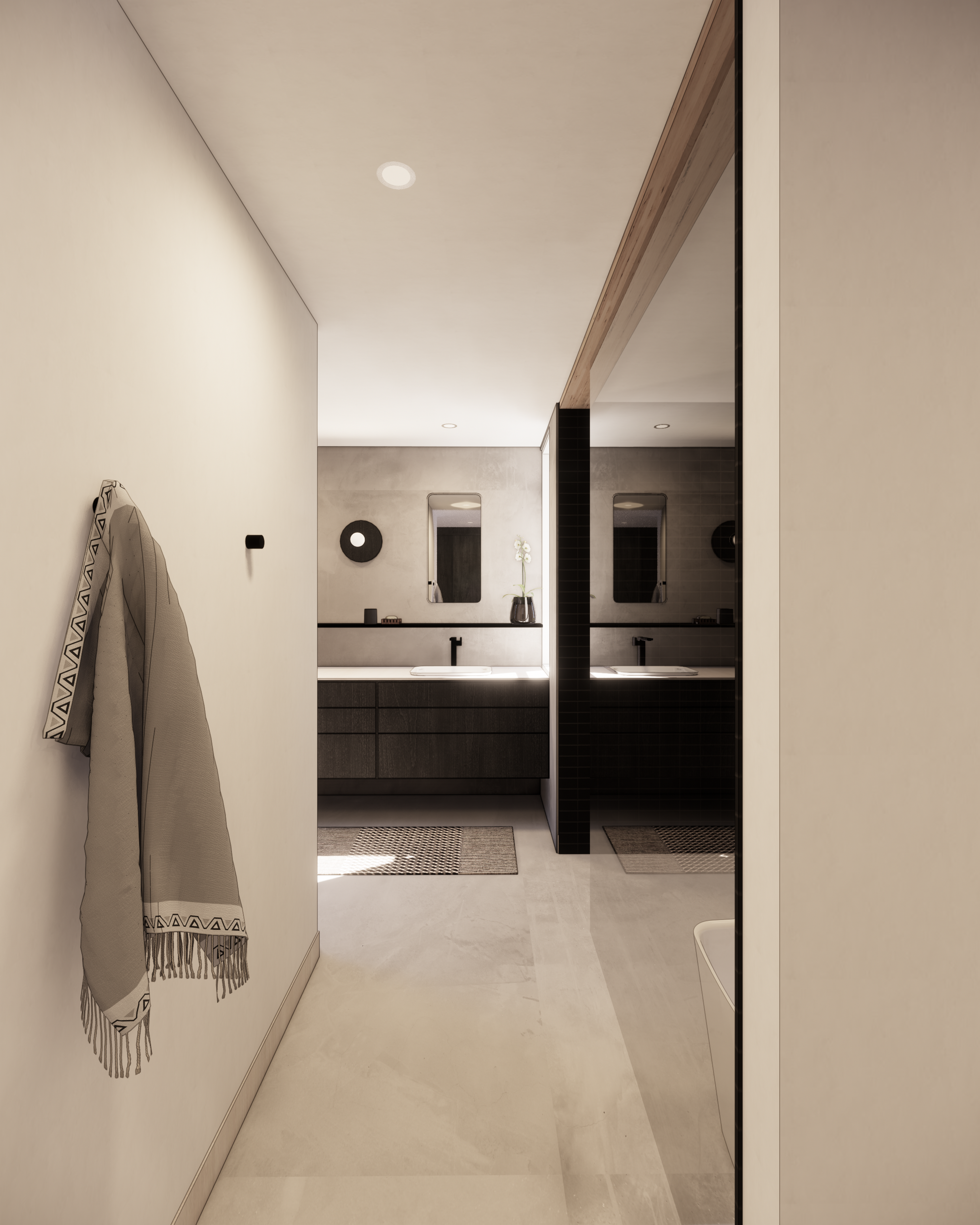
Overall, the interior design is inspired by loft-style layouts with an exposed structure. Rather than concealing building systems, a simple palette of white painted drywall and black millwork accentuate them throughout. In particular, this highlights the mass timber used for beams, floor structures and shear walls.
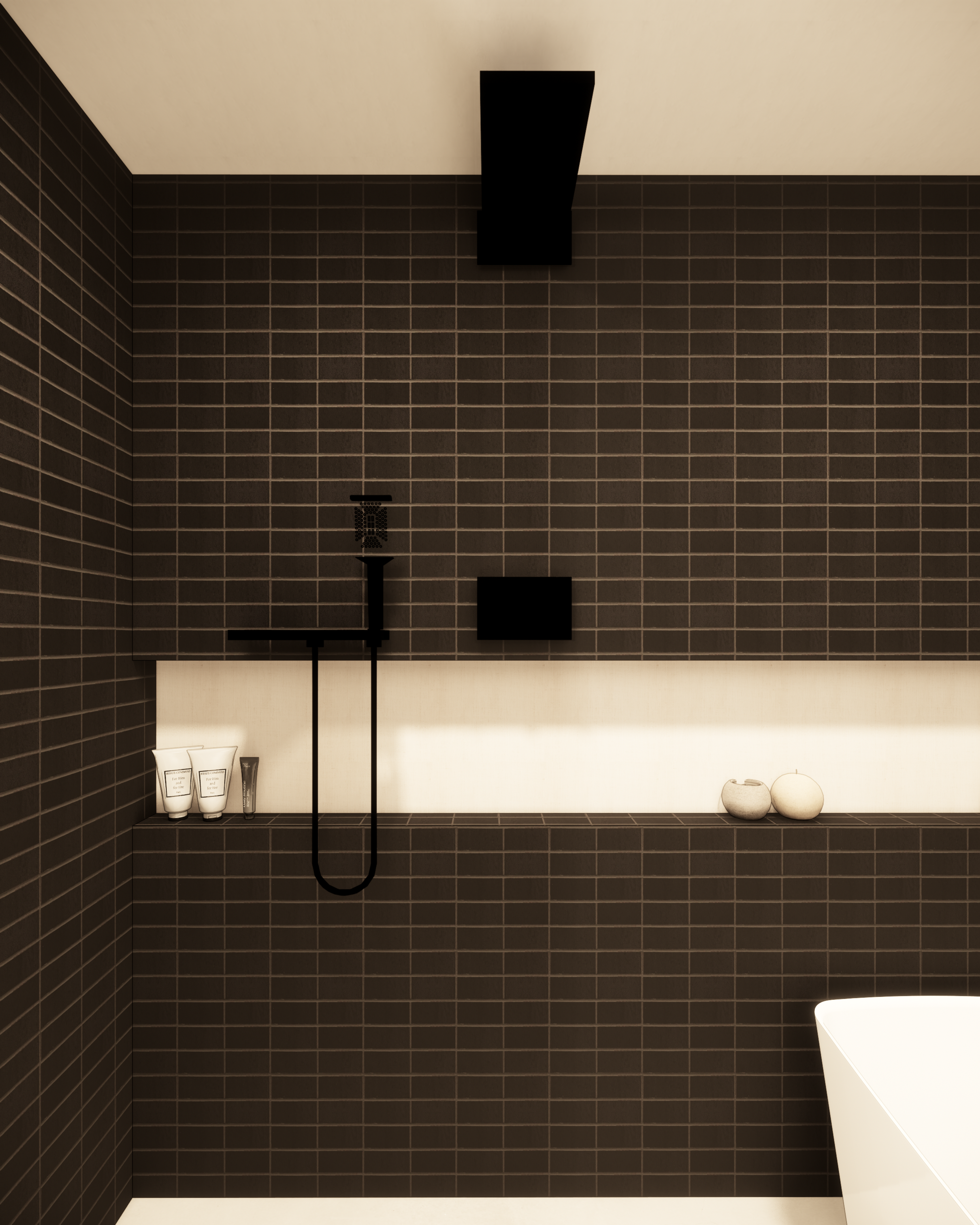
The primary residences are designed with three bedrooms, each with a dedicated washroom and flex work area. In essence, each bedroom can act as its own private living area with shared common facilities, not unlike post-secondary accommodations. However, these residences also have the benefit of a large shared kitchen, living room, reading room and outdoor amenity space.
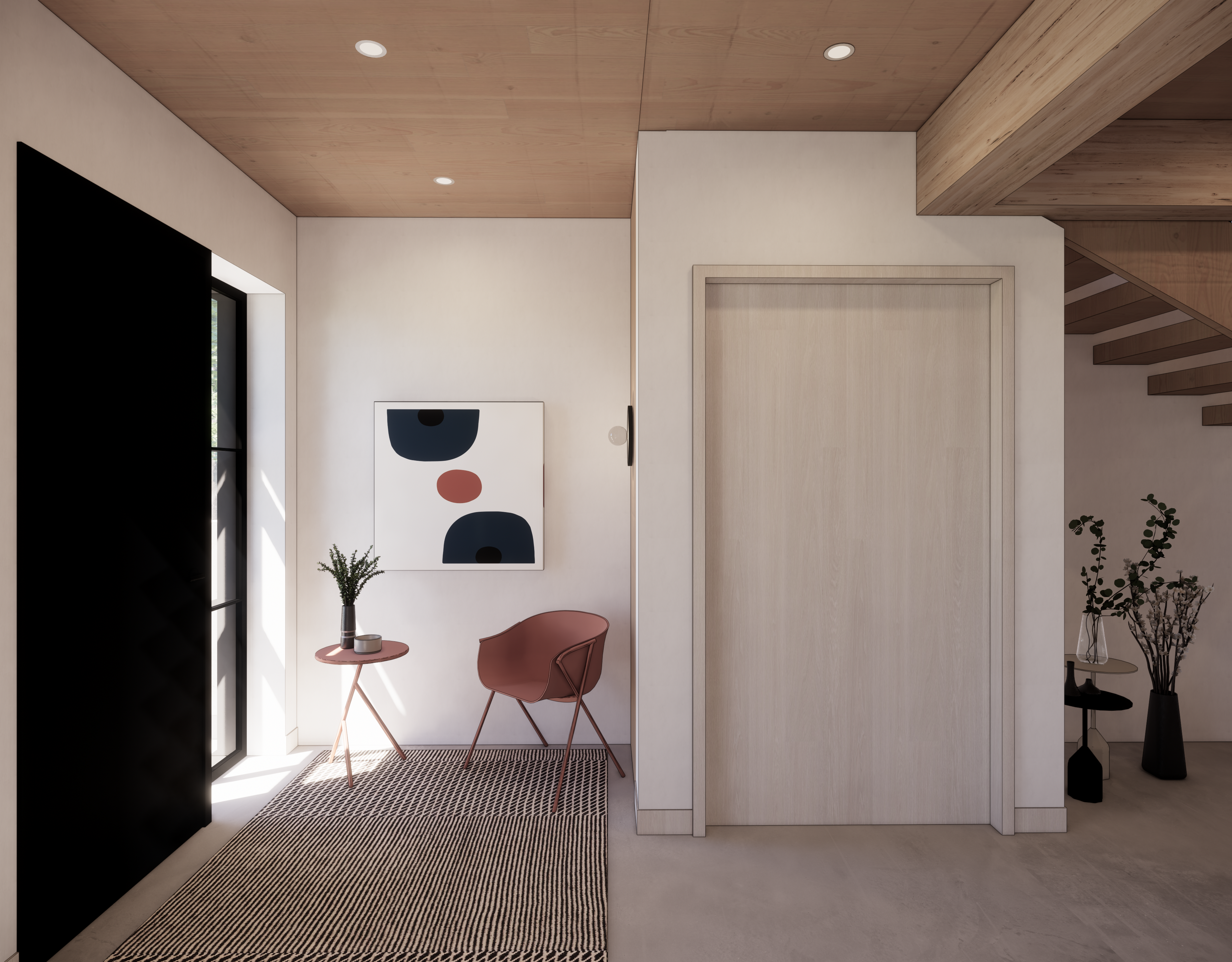
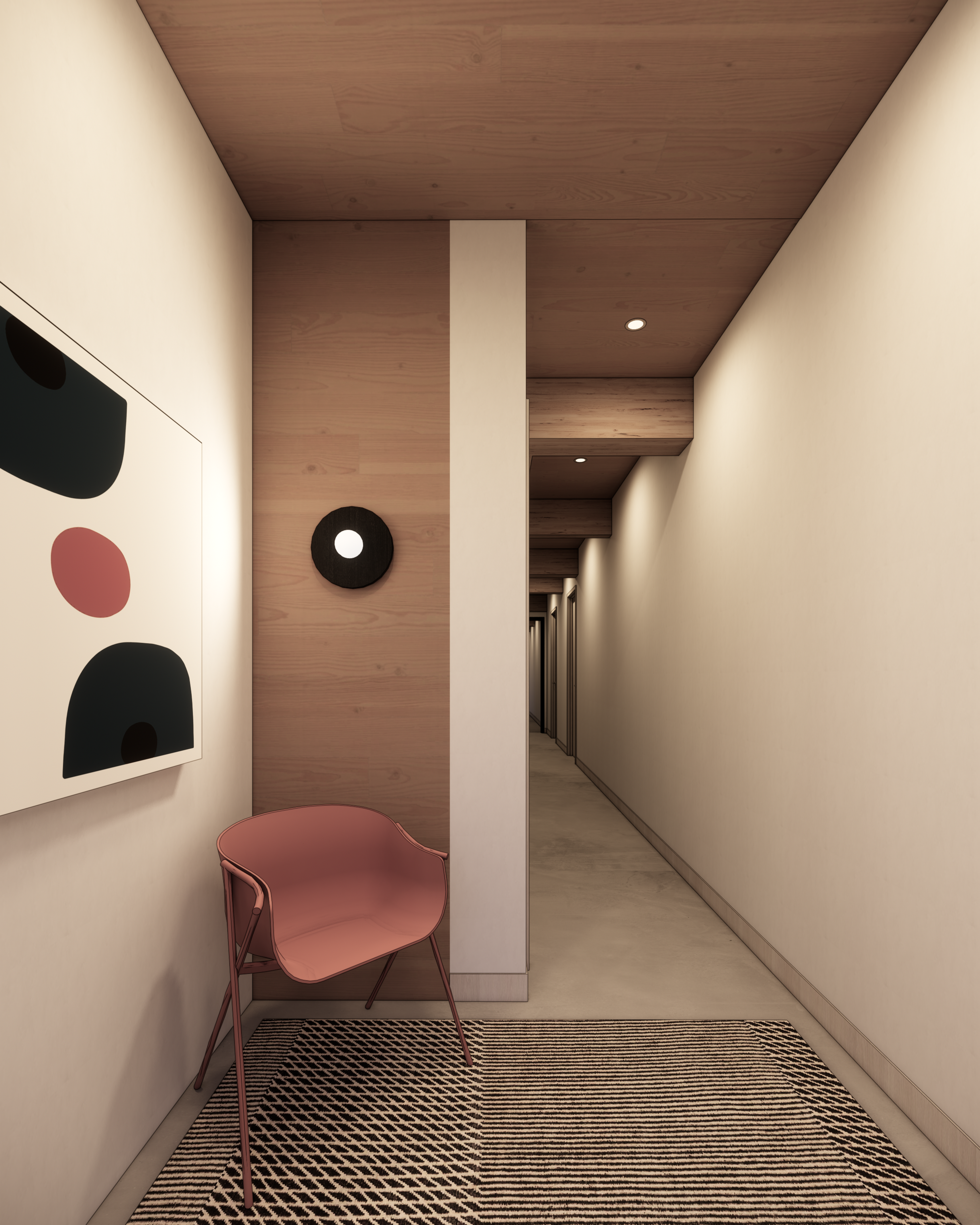
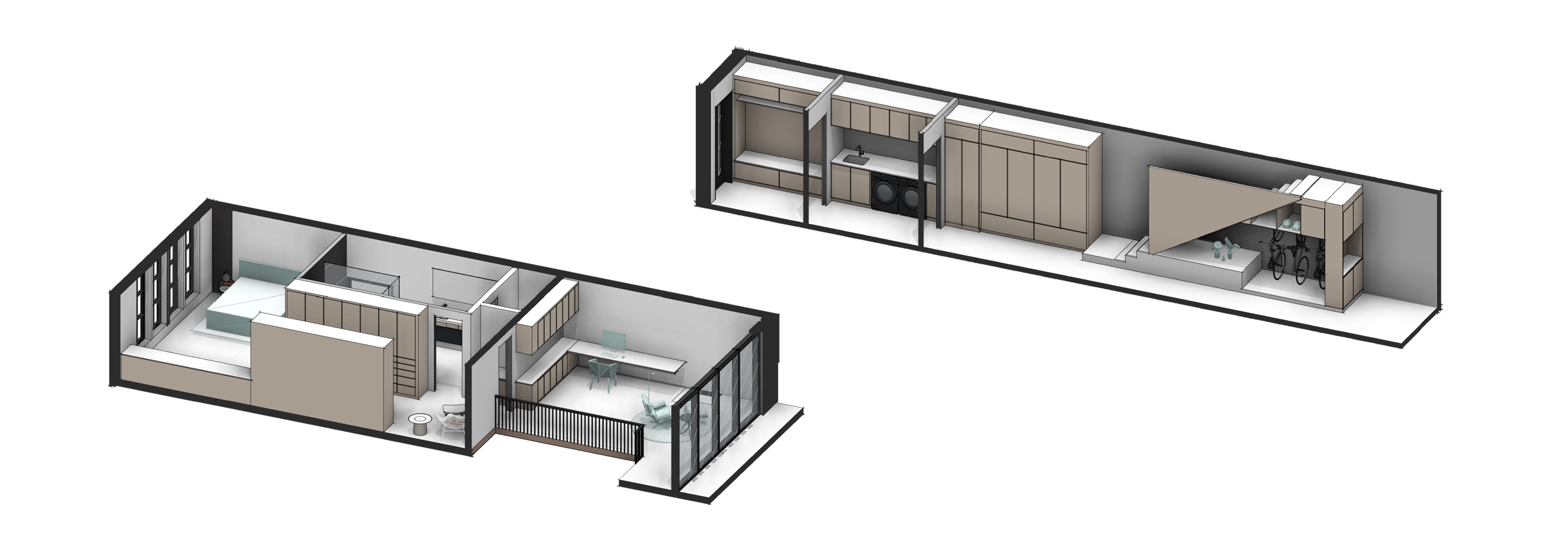
The secondary suite layouts prioritize efficiency, autonomy and live-work lifestyles. These suites enjoy generous primary entrances, complete with amenity areas. Given the smaller footprint of the secondary suites, the living areas are consolidated into a single open common area and offer two-bedroom configurations.
Given their relative size, the garden suites are more modest, studio dwellings. These suites are thoughtfully designed with European influences to meet the day-to-day needs of single occupants or couples.
holo-blok Team
External Team